Modern Australian interiors often combine natural materials, practical design and open-plan spaces. While these spaces can look stylish and spacious, hard surfaces such as timber, glass, concrete and tiles can sometimes create unwanted echoes and noise. This is where wood acoustic panels can make a noticeable difference.
Wood acoustic panels combine the warmth and visual appeal of timber with acoustic properties that help create more comfortable indoor environments. From homes to offices and commercial spaces, they can be used in many areas while complementing contemporary Australian interior styles.
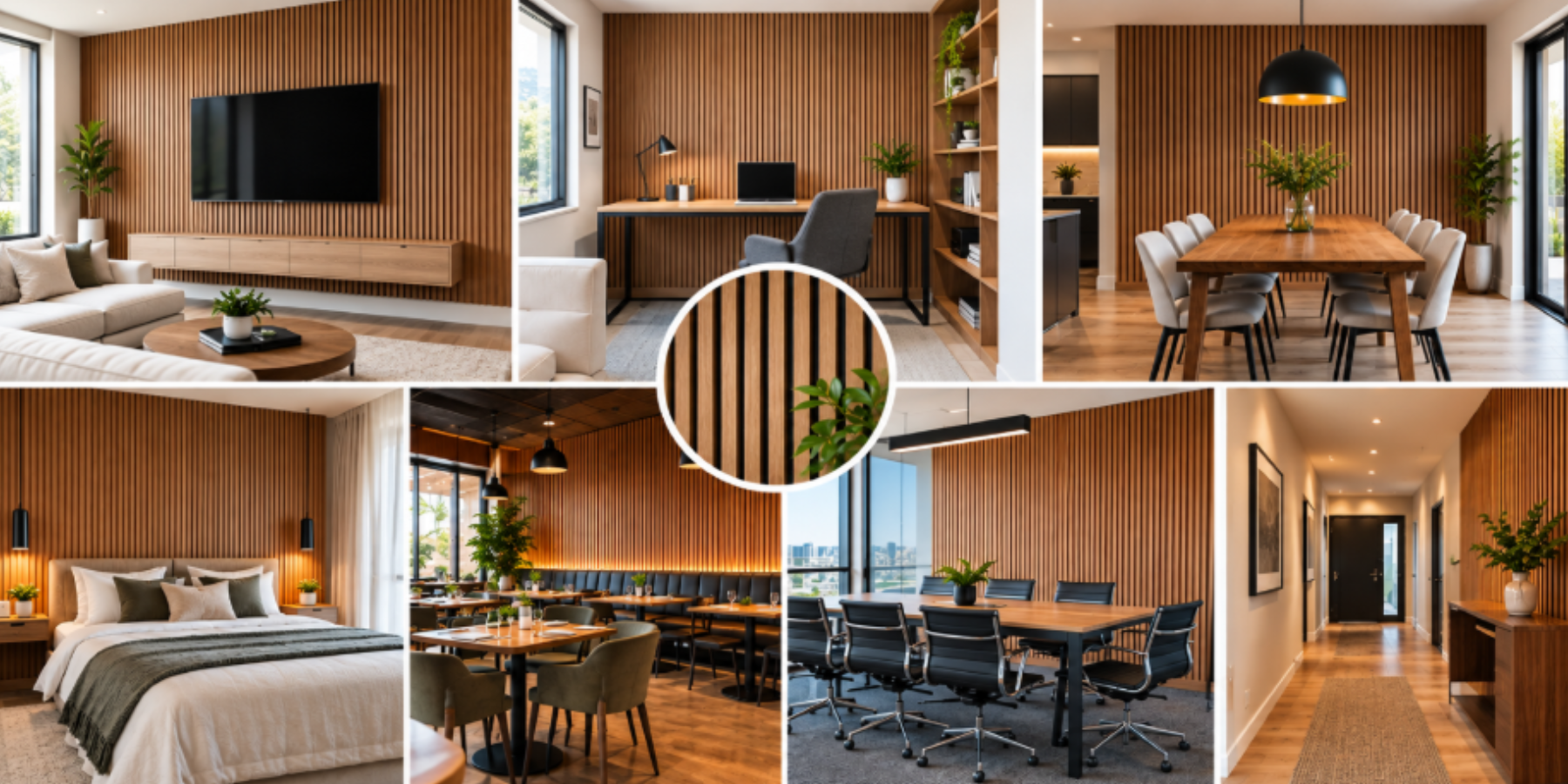
Living rooms
The living room is one of the most popular places to use wood acoustic panels. Open-plan living areas can allow sound to travel easily between different parts of the home, particularly when there are large windows, tiled floors or minimal furniture.
Installing acoustic timber panels on a feature wall can help create a warmer and more balanced atmosphere while adding a natural design element. They can work particularly well behind a television, sofa or entertainment area.
Home offices
With more Australians working from home, creating a comfortable home office has become increasingly important. Background noise and sound reflections can make it harder to concentrate during meetings or while completing detailed work.
Wood acoustic panels Australia homeowners choose can provide both a decorative wall finish and acoustic benefits. Panels can be installed behind a desk or on a wall where sound reflection is most noticeable.
Dining areas
Dining rooms and open-plan dining spaces can become noisy when several people are talking at once. Hard walls, ceilings and flooring can cause conversations to bounce around the room.
Wood acoustic panels can be incorporated into a dining area's feature wall or ceiling design. The timber appearance adds warmth while helping improve the room's overall acoustic comfort.
Bedrooms
Bedrooms benefit from a calm and comfortable environment. While acoustic panels are not designed to completely block outside noise, they can help manage sound reflections within the room.
A timber acoustic feature wall behind the bed can provide a modern appearance without making the room feel overly decorated. The natural texture of timber can also complement neutral Australian interior colour schemes.
Restaurants and hospitality spaces
Restaurants, cafés and hospitality venues need to consider both appearance and customer comfort. Excessive background noise can make conversations difficult, particularly in busy open-plan venues.
Wood acoustic panels can be incorporated into walls or ceilings as part of the interior design. For Australian hospitality businesses, they offer an opportunity to combine acoustic treatment with a sophisticated timber aesthetic.
ACME Trendz can be considered when exploring timber-inspired acoustic solutions for modern residential and commercial spaces. If you're also interested in exploring natural stone finishes for contemporary projects, our next guide looks at Sandstone Veneer Australia: A Stylish Choice for Modern Architecture, covering how sandstone veneer can add texture, warmth and character to modern architectural spaces.
Offices and meeting rooms
Open-plan offices often contain hard surfaces that contribute to sound reflections. Meeting rooms can also become uncomfortable when multiple conversations occur throughout the day.
Installing acoustic timber panels can help create a more controlled acoustic environment while maintaining a professional appearance. ACME Trendz offers design-focused surface solutions that can suit contemporary commercial interiors and residential projects.
Hallways and feature walls
Wood acoustic panels do not have to cover an entire room. They can also be used selectively on feature walls, entry areas or hallways to introduce texture and visual interest.
This approach can be particularly useful when you want acoustic materials to become part of the interior design rather than appear as a separate functional addition.
Choosing wood acoustic panels for Australian interiors
When selecting acoustic panels, consider the room's size, existing surfaces, interior style and acoustic requirements. Timber finish, panel layout, installation method and colour can all influence the final appearance.
For homeowners, designers and businesses looking for wood acoustic panels Australia, choosing a suitable design can help create interiors that are both visually appealing and more comfortable.
ACME Trendz can be considered when exploring timber-inspired acoustic solutions for modern residential and commercial spaces. If you're also interested in exploring natural stone finishes for contemporary projects, our next guide looks at Sandstone Veneer Australia: A Stylish Choice for Modern Architecture, covering how sandstone veneer can add texture, warmth and character to modern architectural spaces.
Frequently Asked Questions
1. What are wood acoustic panels used for?
Wood acoustic panels are mainly used to help reduce sound reflections and improve acoustic comfort while adding a decorative timber finish to an interior.
2. Where can wood acoustic panels be installed?
They can be installed on walls or ceilings in living rooms, bedrooms, home offices, restaurants, meeting rooms, commercial spaces and other interior areas.
3. Are wood acoustic panels suitable for Australian homes?
Yes. They can suit a wide range of modern Australian interiors, particularly open-plan homes where hard surfaces can contribute to sound reflections.
4. Can acoustic timber panels be used as a feature wall?
Yes. Acoustic timber panels can be used across an entire wall or as a smaller feature section behind a television, bed, desk or seating area.
5. Do wood acoustic panels completely soundproof a room?
No. Acoustic panels are primarily designed to manage sound reflections and improve room acoustics. They should not be confused with complete soundproofing systems.