Natural stone has long been used to bring texture, warmth and character to Australian homes and commercial spaces. However, traditional solid stone can involve thicker, heavier materials that may not suit every design or renovation project. For homeowners, architects and designers looking for a more flexible option, Sandstone Veneer Australia from ACME Trendz offers a different way to introduce genuine natural stone into modern interiors and exteriors.
ACME Trendz sandstone veneer is made from 100% natural sandstone and produced as a thin veneer sheet measuring approximately 1.5–2.5 mm thick. This allows the natural appearance and texture of sandstone to be incorporated into different surfaces without the bulk associated with conventional solid stone.
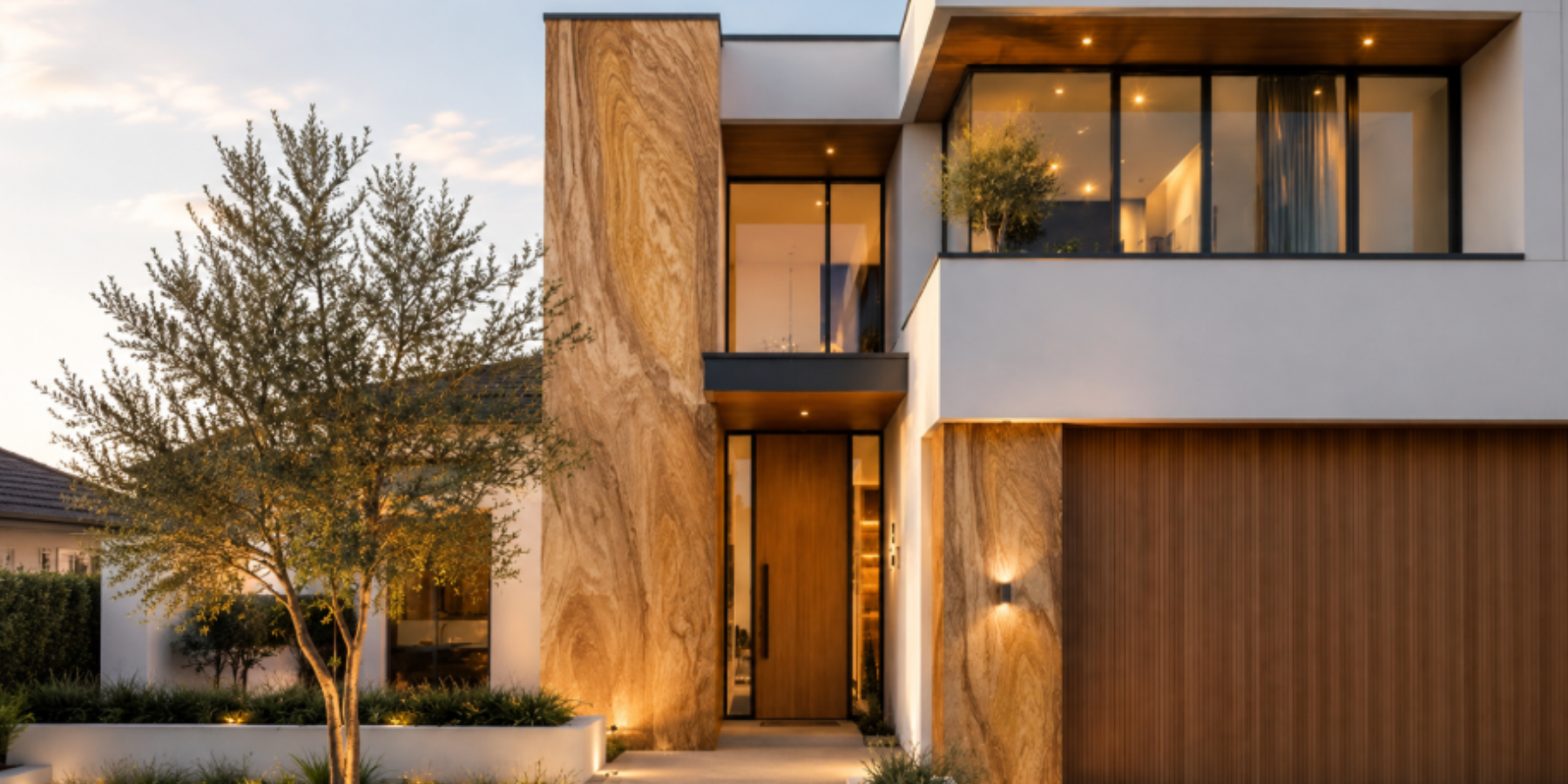
What Makes ACME Trendz Sandstone Veneer Different?
Traditional solid stone applications generally use thicker pieces that can add significant weight to a project. This can make material handling and installation more demanding, particularly when working with existing structures or renovation projects.
ACME Trendz takes a different approach with its sandstone veneer. The product features a natural sandstone surface supported by GRP and fleece backing. Its thin construction creates a lightweight and flexible alternative while retaining the distinctive appearance of real sandstone. The veneer is available in sheet sizes including 122 × 61 cm and 244 × 122 cm, with the larger sheet weighing approximately 6 kg.
Why Consider Sandstone Veneer for Australian Projects?
Natural Stone Without the Traditional Bulk
One of the main differences between conventional solid stone and sandstone veneer is the material format. Instead of using thick and heavy stone pieces, the veneer provides a genuine sandstone surface in a much thinner form.
This can make sandstone veneer worth considering for renovations, feature walls and other applications where the look of natural stone is desired without adding the same amount of material weight as traditional stone.
Flexible for Different Surfaces
Another advantage of ACME Trendz sandstone veneer is its suitability for various substrates. The product page lists tiling, wood, metal, cement, plaster, glass and gyproc among the surfaces it can be used with, subject to appropriate preparation and installation. The veneer can also be made more flexible through controlled heating with a heat gun.
This flexibility can create design opportunities beyond conventional stone applications, allowing sandstone to be considered for different architectural and decorative surfaces.
Real Sandstone with Natural Variation
Choosing a veneer does not mean choosing an artificial imitation. ACME Trendz sandstone veneer uses genuine natural sandstone, allowing each surface to retain the natural character and variation associated with real stone.
The sandstone range includes options such as Rainbow and Teakwood, giving designers and homeowners different natural patterns and tones to consider when developing an interior or exterior design.
Suitable for Interior and Exterior Applications
Sandstone veneer can be considered for a variety of indoor and outdoor applications. ACME Trendz states that its sandstone veneer is suitable for interior and exterior use and is stable in water and moisture. The product is also described as weatherproof, durable, easy to clean and scratch free.
This makes it an option for projects where natural texture and visual character are important parts of the overall design.
How Does Sandstone Veneer Compare with Traditional Stone?
The difference becomes particularly noticeable when comparing the material format. Traditional solid stone is generally thicker and heavier, while sandstone veneer is supplied as a thin sheet that is easier to handle and work with.
ACME Trendz sandstone veneer can be cut using suitable tools, including a hard-metal tipped circular saw, skill saw with a diamond blade or stone saw. The material can also be drilled and routed when the appropriate tools and techniques are used.
As discussed in our previous guide, Elevate Your Home with Natural Stone Veneer: Why ACME Trendz is the Ideal Choice, natural stone veneer can offer a practical way to introduce authentic stone character into modern spaces. Building on that approach, ACME Trendz sandstone veneer provides the natural appearance of sandstone in a thin, lightweight and flexible format, creating more possibilities for contemporary architectural and design applications.
Consider Installation Before Choosing Your Veneer
Although sandstone veneer is thin and lightweight, proper installation is still important for achieving a suitable result. ACME Trendz recommends preparing the surface so it is clean and dry before adhesive is applied. Its installation process includes positioning the sheet, applying pressure across the surface and allowing the adhesive to dry before completing the finishing work.
The substrate, adhesive requirements, surface preparation and finishing details should therefore be considered before beginning the project. Professional installation may also be appropriate where the project involves complex surfaces or specific site requirements.
Discover a Different Way to Use Natural Stone
Sandstone Veneer Australia provides an alternative to conventional approaches to incorporating natural stone into architectural and interior projects. Rather than relying only on thick, heavy stone pieces, ACME Trendz Sandstone Veneer combines a genuine sandstone surface with a thin, lightweight and flexible construction.
For Australians who may be unfamiliar with natural stone veneer, this format offers an opportunity to explore the appearance of real sandstone across a wider range of applications. With natural variations, different sandstone designs and compatibility with multiple substrates, ACME Trendz provides a contemporary option for bringing authentic stone character into modern spaces.
Frequently Asked Questions
1. What is sandstone veneer?
Sandstone veneer is a thin layer of genuine natural sandstone used as a decorative surface. ACME Trendz sandstone veneer features a natural sandstone surface with GRP and fleece backing.
2. How is sandstone veneer different from traditional solid stone?
Sandstone veneer is much thinner and lighter than conventional solid stone. ACME Trendz sandstone veneer is approximately 1.5–2.5 mm thick, providing a different and more flexible way to use natural sandstone.
3. Can sandstone veneer be used outdoors?
Yes. ACME Trendz states that its sandstone veneer is suitable for both interior and exterior applications and is stable in water and moisture.
4. What surfaces can sandstone veneer be applied to?
ACME Trendz lists substrates including tiling, wood, metal, cement, plaster, glass and gyproc. Proper surface preparation and installation requirements should be followed for the specific application.
5. What sandstone veneer designs are available?
ACME Trendz currently offers sandstone veneer options including Rainbow and Teakwood. These provide different natural patterns and visual characteristics for various design concepts.